
Engineering Consulting Partner: Finding the Right Fit for Your App
Top takeaways
- Choosing the right engineering consulting partner determines whether your app ships or stalls
- Modern AI-assisted development tools have changed the partner landscape — speed and iteration matter more than headcount
- Your partner's workflow should match your stage: prototype-to-production for MVPs, structured planning for enterprise builds
- Evaluate partners on their tooling choices, not just their portfolio — the stack they use reveals how they work
- Clear ownership of code and deployment artifacts protects your long-term flexibility
Introduction
I've built apps solo and with teams. The difference between a good engineering consulting partner and a bad one shows up in week two, not month six. A good partner asks what you're trying to learn before they write a line of code. A bad one starts with architecture diagrams.
The right engineering consulting partner accelerates your build without locking you into their process. They work in the open, ship incrementally, and hand you something you can actually maintain. The wrong partner delivers a black box six months late.
What Changed in 2024–2025
AI-assisted development platforms collapsed the gap between idea and working prototype. Tools like Replit Agent, V0, and Bolt let non-technical founders go from concept to deployed app in days, not quarters. That shift redefined what "engineering consulting partner" means.
Traditional consulting meant hiring a team to translate your PRD into code over 12–16 weeks. Now it means finding someone who knows which AI tools fit your problem, how to guide them, and when to write code by hand. The bottleneck moved from implementation to iteration.
For founders, this creates a new evaluation problem. You're not comparing agencies by team size anymore. You're comparing them by how fast they can test an assumption, how cleanly they hand off code, and whether they're teaching you to fish or just selling you fish. A product spec or PRD still matters, but the build cycle is now measured in days, and your partner needs to work at that speed.
Who This Guide Is For
You're a non-technical founder with a specific app idea, or a product manager who needs to move faster than your internal eng team allows. You've seen the AI coding demos. You know you need help, but you don't know how to evaluate who's competent versus who's just riding the hype.
This guide walks through what to look for, what to avoid, and how to structure the relationship so you own the output. No fluff. No vendor pitches. Just the framework I use when founders ask me who they should work with.
Problem Statement
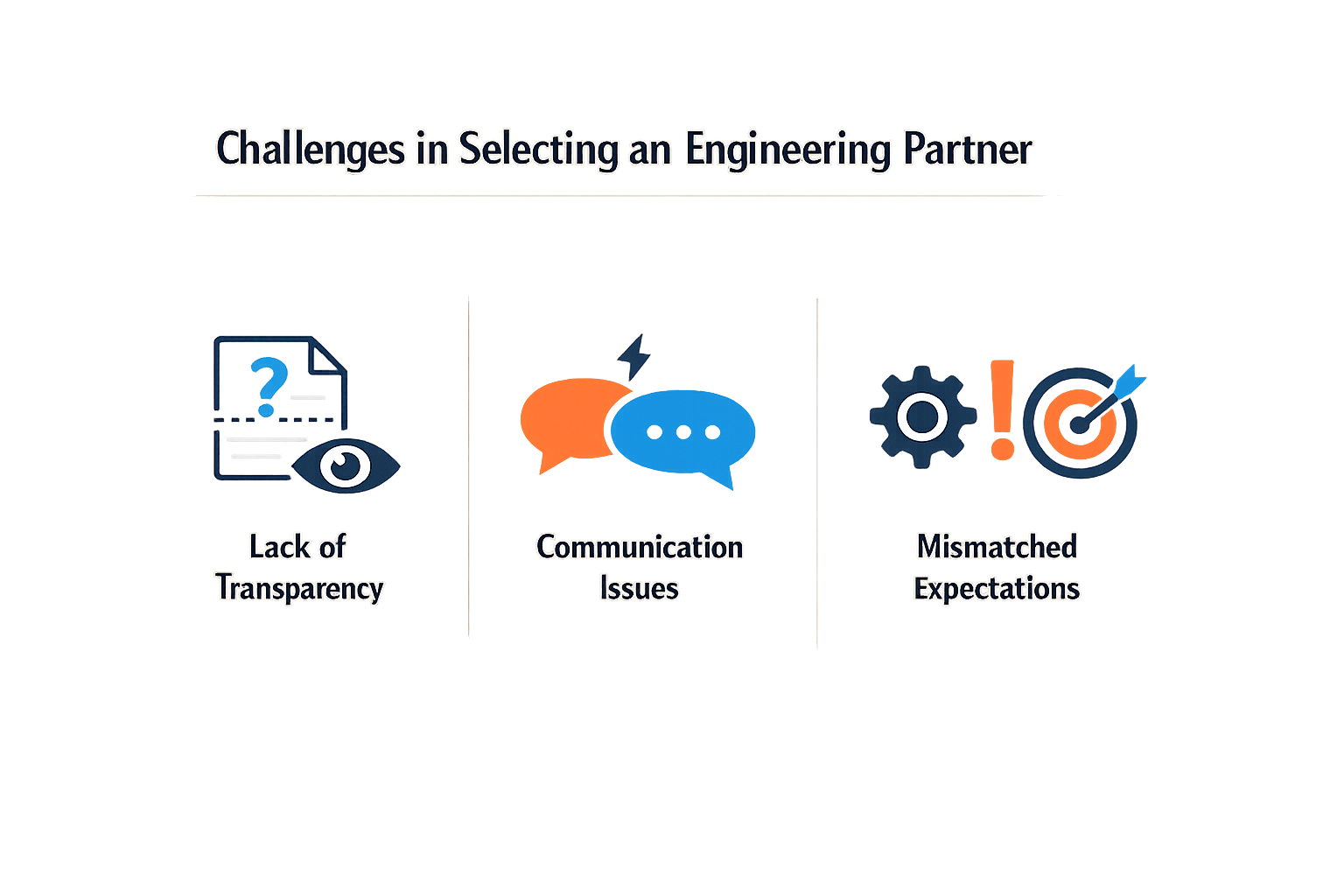
Picking an engineering consulting partner feels straightforward until you start. Most founders assume technical chops are the only filter. They're wrong. The hard part isn't finding someone who can code — it's finding someone whose defaults match your risk profile and whose judgment you trust when the spec runs out.
Mismatched Assumptions on Security and Scope
A partner who treats authorization as a plug-and-play framework problem will ship fast and break things you can't afford to break. Developers have access to robust libraries and platforms, but these components must not be viewed as a quick fix for all problems. Custom authorization logic is often necessary to meet an app's specific security requirements. If your partner assumes the framework handles it, you inherit their blind spots.
Configuration mistakes are invisible until they're catastrophic. Documentation can be vague, outdated, or simply wrong. A partner who doesn't test their setup in your specific environment is gambling with your data model. You need someone who validates assumptions, not someone who trusts the README.
The Permission Creep Problem
It is easier to grant users additional permissions than to revoke those that are overly broad. A partner who doesn't plan least-privilege access from day one will hand you a system where every user has admin-adjacent rights by month three. Careful planning early in the development lifecycle reduces the risk of needing to strip permissions later — a process that breaks workflows and generates support tickets.
If your app development plan doesn't include periodic permission audits, your partner isn't thinking past launch. Privilege creep is a design failure, not a maintenance task.
Vendor Lock-In and Component Ownership
Some partners build on platforms that bundle databases, hosting, and domains into a single environment. This sounds convenient until you want to migrate, scale independently, or own your infrastructure. If your code lives in a browser-based IDE with no local export path, you don't own your deployment pipeline — the platform does.
A partner who defaults to no-code or low-code tools without discussing exit strategies is optimizing for their velocity, not your long-term control. You need clarity on what you own, what you can move, and what dies if the platform changes its terms.
Vulnerability Response Gaps
Writing secure software is hard. Even competent developers working on high-quality frameworks make mistakes. A partner without processes for detecting and responding to vulnerable components is flying blind. If they don't incorporate dependency scanning tools or subscribe to security advisories, you'll learn about critical flaws from a breach notification, not a patch plan.
Ask how they track component vulnerabilities. If the answer is "we keep dependencies up to date," that's not a process — that's hope.
Solution Steps
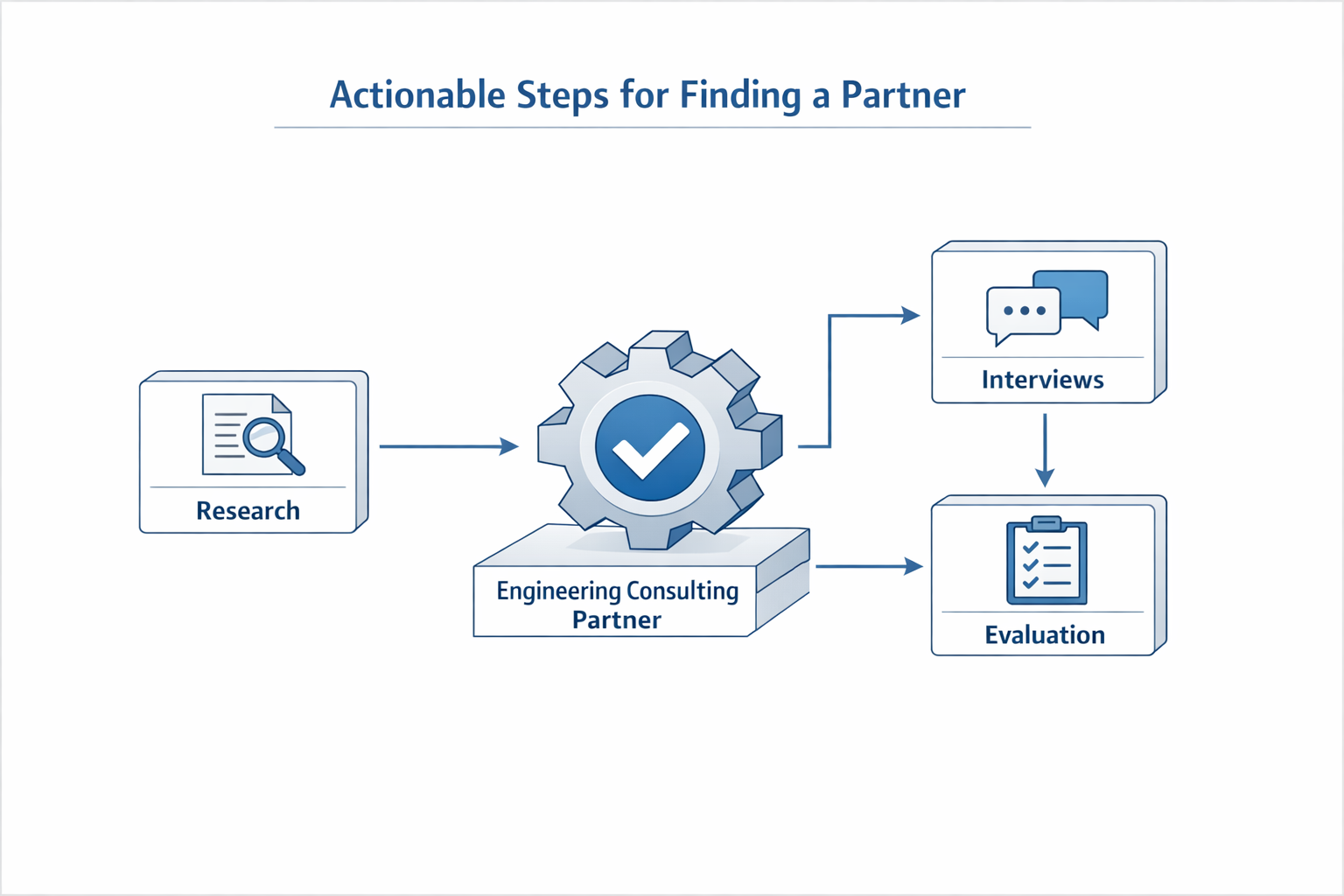
Finding the right engineering consulting partner starts with defining what you actually need. Most founders skip this step and end up with a mismatch.
Step 1
Define your scope before you talk to anyone
Write down what you're building and what you need help with. Are you looking for someone to turn mockups into working code? Do you need backend logic and database design? Or are you prototyping to test an idea with real users?
I've seen too many discovery calls where the founder says "I need an app" and the consultant says "great, that'll be $80K." Both sides waste time because the scope was never clear. Specificity saves money.
Step 2
Match the partner to your stage
If you're pre-revenue and testing product-market fit, you need speed and flexibility. Look for partners who work with rapid prototyping tools and can ship MVPs in weeks, not quarters.
If you're post-traction and scaling, you need someone who can handle production infrastructure, not just demos. The partner who's great at building MVPs might not be the right fit for a system serving 10,000 daily users.
Step 3
Test their process with a small paid engagement
Don't commit to a six-month contract on day one. Pay for a one-week spike or a single feature. You'll learn how they communicate, how they handle ambiguity, and whether their output matches your expectations.
A good partner will suggest this themselves. If they push for a big upfront commitment without proving fit, that's a signal.
Evaluate technical approach and tooling
Ask what stack and tools they use. Modern engineering consulting partners should be comfortable with AI-assisted development workflows. Tools like Bolt and v0 let experienced developers move faster while maintaining control over code quality and architecture.
If a partner dismisses these tools entirely, they might be optimizing for billable hours instead of your outcomes. If they rely on them exclusively without technical depth, they won't handle the hard problems that inevitably show up.
Step 4
Check references and review actual work
Ask for GitHub repos, live demo links, or case studies. Don't just ask "was the client happy?" Ask specific questions: Did they hit deadlines? How did they handle scope changes? What happened when something broke in production?
References lie less when you ask concrete questions. "How many times did the delivery date slip?" gets you better data than "would you work with them again?"
Align on ownership and handoff
Clarify who owns the code and what happens if the engagement ends. You should own everything: the repository, the deployment pipeline, the domain registrations, the API keys.
Some consultants structure deals where you're locked into their infrastructure. That's fine if you know it upfront and the economics work. It's a problem if you discover it six months in when you want to bring development in-house.
Step 5
Define communication cadence and decision rights
Set expectations for response times, update frequency, and who makes final calls on technical decisions. Daily async updates work better than weekly video calls for most projects.
Decide upfront: if there's a trade-off between speed and polish, who decides? If a third-party API goes down, can they switch to an alternative without asking permission? Clear decision rights prevent bottlenecks.
Tips and Tricks
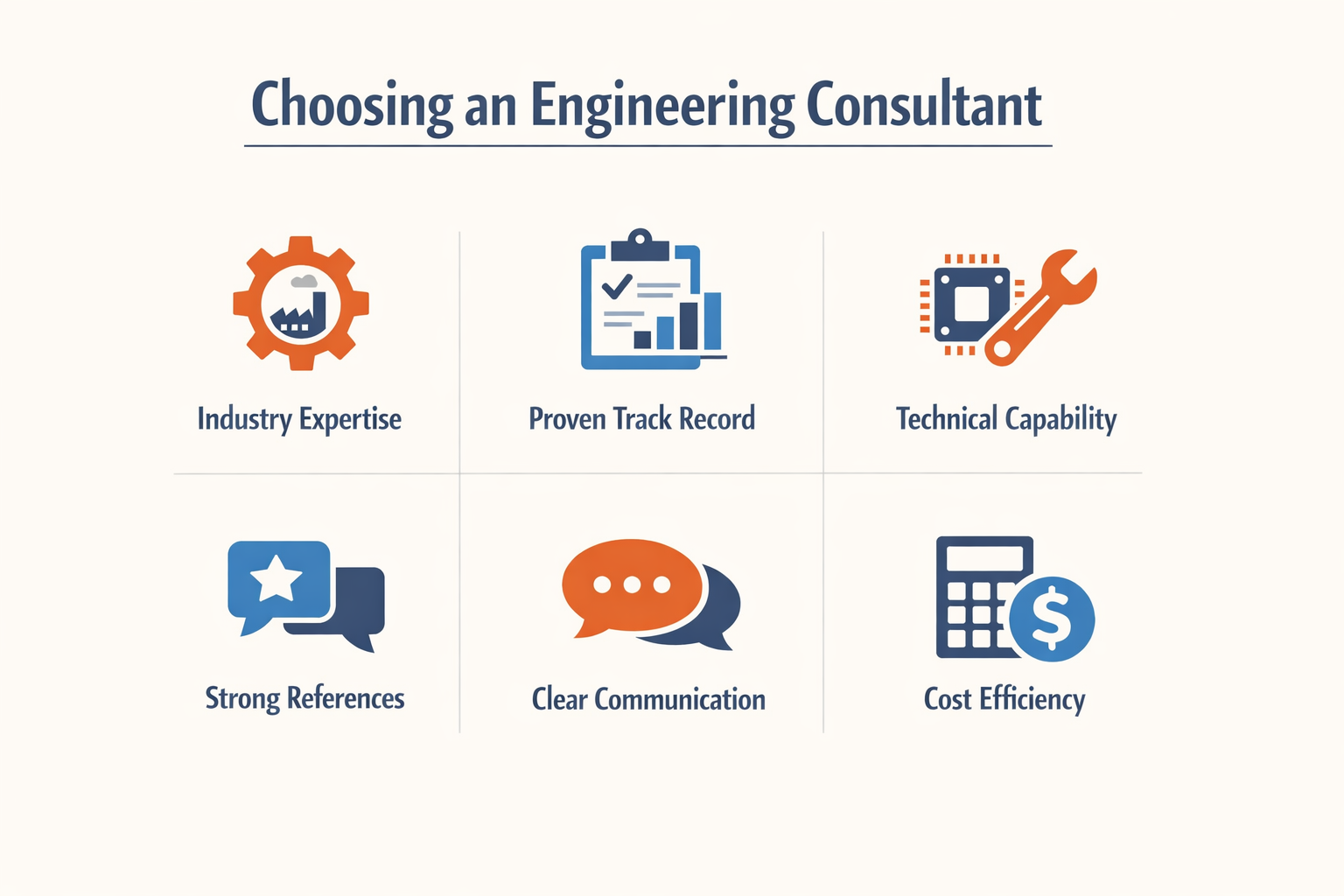
Don't assume any framework does what you need out of the box. I've watched founders pick partners because they name-dropped React or Next.js, then discover three months in that the partner's default setup doesn't handle their auth model. Ask to see a scaffold. Ask what they configure by hand versus what they pull from a template.
Test Configuration Early
Documentation lies. Not maliciously — it's just vague, outdated, or written for a different version. When a partner says they've configured role-based access or rate limiting, ask them to walk you through the test suite that proves it. No tests means no proof.
Create a short list of critical paths — user signup, payment flow, data export — and confirm the partner has automated checks for each. Manual QA catches some bugs; automated tests catch regressions every time someone touches the code.
The partner who shows you their CI pipeline before you ask is the one who won't call you at 2 a.m. when prod breaks.
Plan for Privilege Creep
Permissions expand. You'll add an admin role, then a super-admin, then a read-only analyst account. Six months later nobody remembers who can see what. A good partner builds a permission audit into the roadmap from day one — quarterly reviews, automated reporting, and a clear process for revoking access that doesn't require a deploy.
Ask how they handle scope expansion. If the answer is "we'll cross that bridge when we come to it," you're looking at a bridge made of duct tape. For more on planning these details upfront, see App Development Plan: Dev Plan Guide for Non-Technical Founders (2025).
Focus on the Hard Problems
Scaffolding is cheap. The value in an engineering consulting partner is solving the problems you can't Google. If they spend the first sprint setting up Tailwind and user tables, you're paying consultant rates for junior work. Push them to identify the two or three technical risks that could kill the project — scale, compliance, third-party integration — and start there.
A partner who wants to build the easy stuff first is either padding hours or doesn't trust their ability to tackle the real work. Either way, wrong fit.
Conclusion
Finding the right engineering consulting partner comes down to three things: clear requirements, honest communication, and aligned incentives. Write down what you need before you talk to anyone. Ask direct questions about their process, their tooling, and what happens when things break. Then pick the partner who answers those questions without flinching.
I've built apps with AI agents and handed specs to traditional dev shops. The partner that works is the one who asks hard questions up front, not the one who promises everything will be easy. If they don't challenge your assumptions in the first conversation, they won't catch the problems that matter later.
The tools have changed — platforms like Replit Agent and Bolt now let non-technical founders prototype faster than most agencies could spec the work a year ago. But the fundamentals haven't. You still need someone who understands what you're building and why it matters. Whether that's an app development plan from a consultant or a working prototype you iterate on together, the partnership only works when both sides know what success looks like.
Start small. Test the relationship on a defined scope before you commit to the full build. The right partner will suggest that themselves.